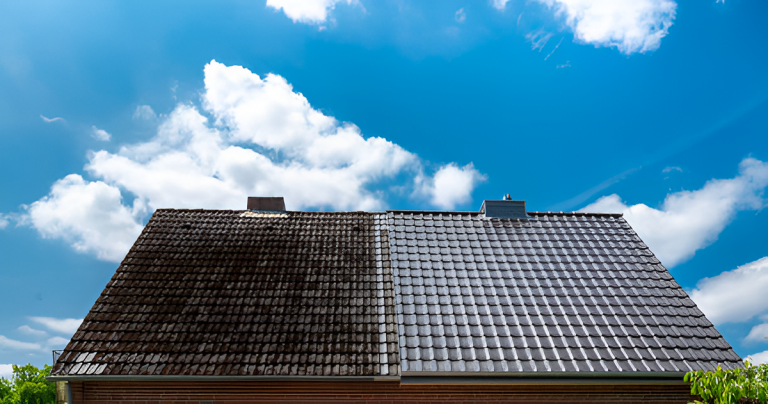
- Metal roofs can be cleaned safely without scrubbing: Using water, roof-safe cleaners, or natural solutions prevents damage to the roof coating.
- Regular cleaning extends roof life and prevents damage: Removing dirt, moss, and algae reduces corrosion, water infiltration, and wear over time.
- Gentle tools and techniques are key: Garden hoses, low-pressure washers, sprayers, and soft bristle brushes are safer than high-pressure scrubbing.
- Eco-friendly solutions work effectively: Vinegar, baking soda, and biodegradable metal roof cleaners remove stains and growth without harsh chemicals.
- Preventive treatments reduce maintenance: Zinc or copper strips and seasonal roof-safe sprays inhibit moss and algae, minimizing future cleaning needs.
- Safety should always come first: Use a harness, non-slip shoes, stable ladders, and follow product instructions to avoid accidents.
Metal roofs are built to last, but over time, they can accumulate dirt, moss, algae, and other debris that affect their appearance and longevity. Many homeowners worry that cleaning a metal roof requires intense scrubbing, climbing ladders, or risking damage. The good news is that you can clean a metal roof without scrubbing—and in this guide, we’ll walk you through the easiest and safest methods to do it.
Why You Should Clean Your Metal Roof
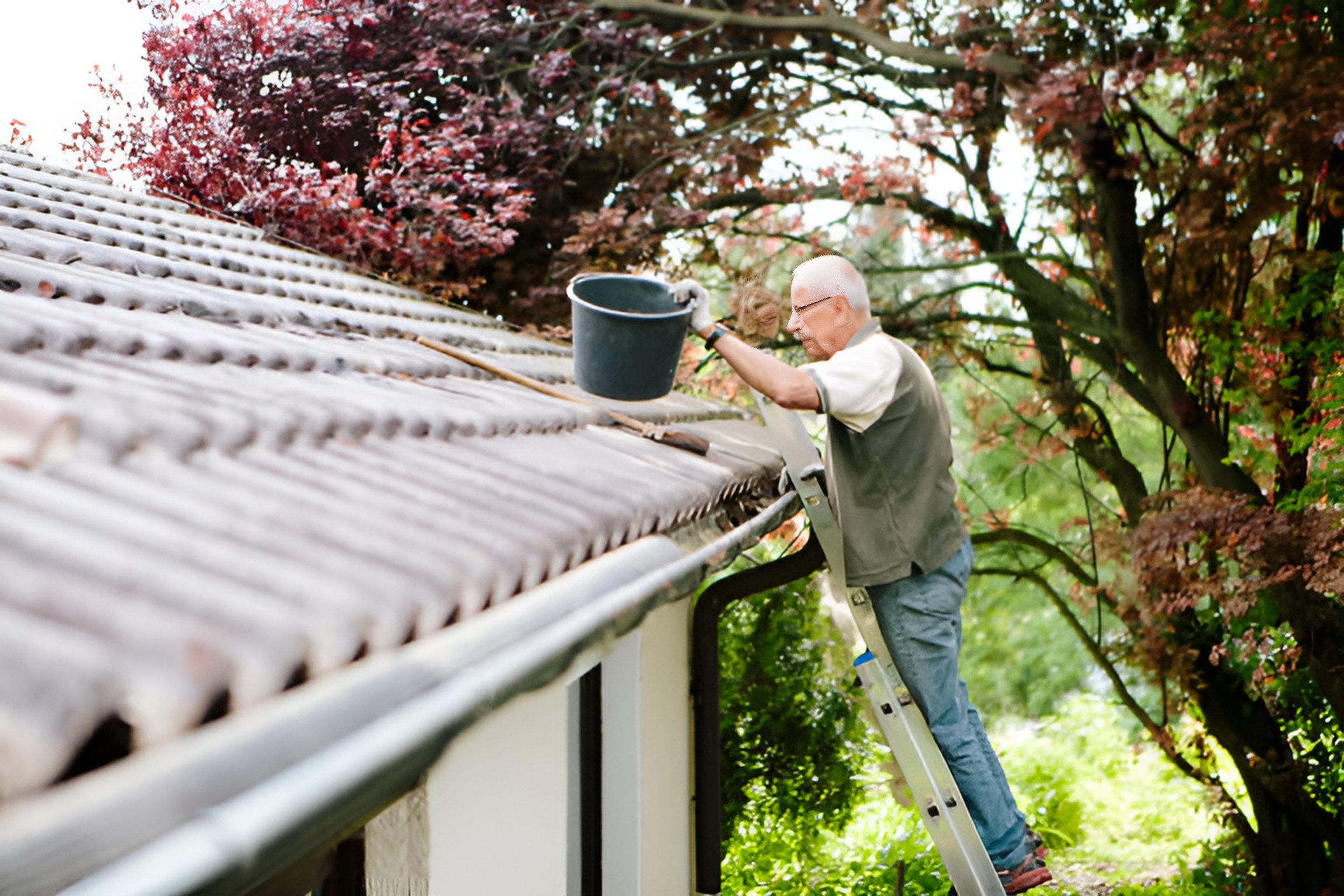
A metal roof may seem low-maintenance, but dirt, algae, and moss can cause issues over time. Here’s why cleaning matters:
- Extend Roof Life: Dirt and organic growth can trap moisture, leading to rust or corrosion on older roofs.
- Improve Appearance: A clean roof makes your home look well-maintained and increases curb appeal.
- Energy Efficiency: A roof covered in grime can absorb more heat, making your home warmer and increasing cooling costs.
- Prevent Damage: Moss and algae can lift shingles or panels, creating gaps for water infiltration.
By learning how to clean a metal roof properly, you’re investing in the longevity and performance of your home.
Can You Really Clean a Metal Roof Without Scrubbing?
Yes, you can. Many homeowners assume that roof cleaning requires brushes and elbow grease, but scrubbing can actually scratch the metal surface or damage coatings. Today, there are gentle, effective ways to clean a metal roof using water, cleaning solutions, and natural methods—without ever having to scrub manually.
What You’ll Need to Clean Without Scrubbing
Before starting, gather some tools and products that make cleaning safe and effective:
- Garden hose with a high-pressure nozzle or a pressure washer (low PSI recommended)
- Soft roof-safe sprayers
- Commercial metal roof cleaner (biodegradable options are preferred)
- Vinegar or baking soda solutions for DIY cleaning
- Safety gear: gloves, non-slip shoes, and a harness if working on a steep roof
Having the right equipment ensures that cleaning is efficient and safe, especially when you’re avoiding manual scrubbing.
How to Clean a Metal Roof Without Scrubbing: Step-by-Step
Here are several easy and effective methods homeowners can use to clean their metal roof without scrubbing, explained in detail:
1. Use a Garden Hose or Low-Pressure Washer
High-pressure scrubbing isn’t necessary to clean your metal roof. A controlled spray of water can remove dust, dirt, pollen, and light debris effectively without causing damage.
- Start at the top and work your way down: Begin at the ridge of the roof and let gravity do most of the work. Spraying from the top down prevents streaks and ensures that all dirt flows off the roof naturally.
- Use gentle pressure: Avoid using extremely high-pressure washers, as they can dent thin metal panels, remove protective coatings, or force water under seams and fasteners. Stick to a nozzle that produces a strong but safe flow of water.
- Rinse thoroughly: After spraying, make sure all loose dirt is washed away. Check valleys, gutters, and edges where debris often accumulates.
This method works best for light dust, leaves, and surface dirt, and it’s safe for most types of metal roofing, including aluminum, steel, and coated panels.
2. Apply a Metal Roof Cleaning Solution
For algae, moss, lichen, or stubborn stains that water alone can’t remove, a roof-safe cleaning solution is highly effective. These solutions break down organic material without the need for scrubbing.
- Choose the right cleaner: Look for a biodegradable, non-toxic cleaner specifically formulated for metal roofs. Avoid acidic cleaners that can damage the coating.
- Mix carefully: Follow the manufacturer’s instructions to ensure the correct concentration. Too strong can be harmful, too weak may be ineffective.
- Apply evenly: Use a pump sprayer or roof-safe sprayer to cover the entire surface, focusing on areas with visible moss, algae, or stains.
- Let it sit: Allow the solution to work for 10–15 minutes. This gives it time to break down the dirt and organic growth. Avoid letting it dry completely in direct sunlight.
- Rinse thoroughly: After the cleaning solution has done its work, rinse the roof with a garden hose or low-pressure washer to wash away loosened debris.
Using a cleaning solution removes moss, algae, and stains gently, maintaining your roof’s integrity without manual scrubbing.
3. Try a DIY Vinegar or Baking Soda Solution
If you prefer natural, eco-friendly methods, household products like vinegar or baking soda can be surprisingly effective:
- Prepare the solution: Mix one part white vinegar with two parts water, or make a paste of baking soda and water for thicker coverage on stubborn spots.
- Apply carefully: Use a sprayer for liquid solutions or a soft brush for thicker pastes. Focus on moss, algae, and dirt-covered areas.
- Allow it to sit: Let the solution work for 10–20 minutes to break down debris and organic growth. Vinegar’s acidity and baking soda’s mild abrasiveness help lift grime without harming the roof coating.
- Rinse with water: Thoroughly wash off the solution using a hose or low-pressure washer.
This method is inexpensive, eco-friendly, and safe for your metal roof, making it ideal for homeowners who want a natural approach.
4. Install Moss and Algae Preventive Treatments
Cleaning is only part of the maintenance plan. Preventive measures reduce the frequency of future cleanings and make your roof easier to maintain without scrubbing:
- Zinc or copper strips: Install these along the ridge of your roof. Rainwater carries ions from the strips down the roof, naturally preventing moss and algae growth.
- Roof-safe chemical treatments: Seasonal sprays of biodegradable treatments create a protective barrier that inhibits organic buildup.
These preventive methods work in tandem with regular rinsing to keep your roof looking clean for years, minimizing manual effort.
5. Use Soft Bristle Tools Only When Necessary
Even though the goal is to avoid scrubbing, occasionally you may need to remove large debris like leaves, twigs, or small branches that water alone can’t dislodge.
- Gently sweep: Use a soft bristle brush or broom and lightly sweep debris off the roof. Apply minimal pressure to avoid scratching or denting the metal.
- Avoid abrasive tools: Never use wire brushes, hard bristles, or scrapers, as these can damage coatings and reduce your roof’s lifespan.
- Work from top down: Always start at the ridge and move toward the edges. This ensures debris flows off naturally and prevents accidental damage.
Soft bristle tools can help with stubborn debris while keeping the roof safe, making it an effective last resort if rinsing alone isn’t enough.
Safety Tips for Cleaning a Metal Roof
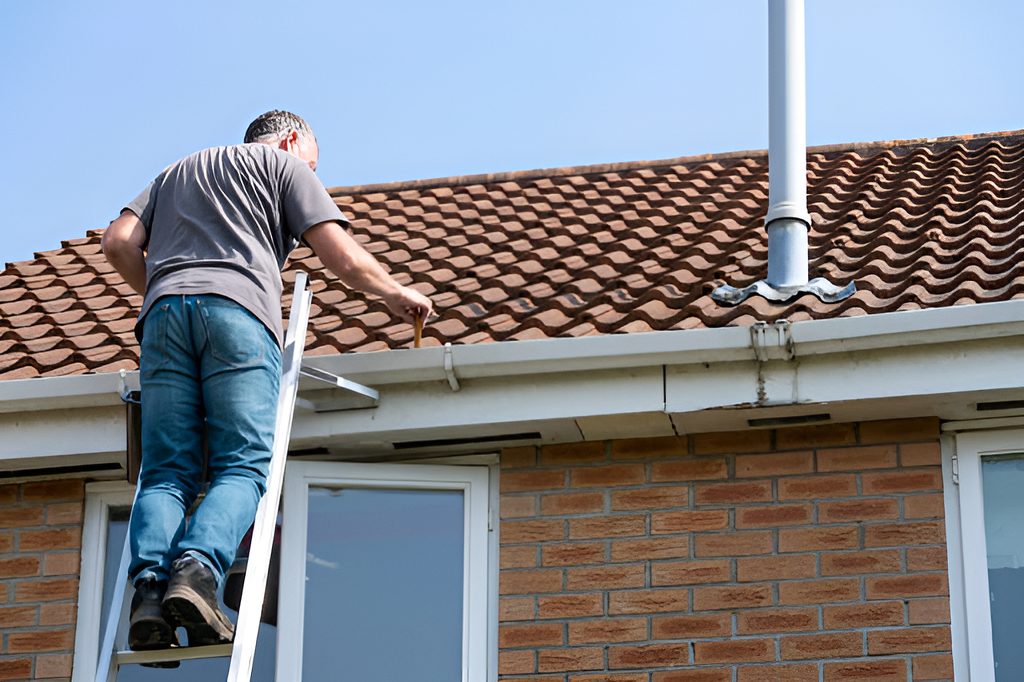
Cleaning a roof can be dangerous if precautions are ignored. Here’s how to stay safe:
- Never work on a wet roof; it becomes extremely slippery
- Wear a safety harness and non-slip shoes
- Use a stable ladder and have someone assist you if possible
- Avoid leaning on the edges of the roof
- Read product instructions carefully when using chemicals
Following these safety measures allows you to clean efficiently without risking injury.
How Often Should You Clean Your Metal Roof?
The frequency depends on your environment:
- Every 1–2 years: For mild climates with little moss or algae
- Once a year: For wet, shaded, or humid regions where growth is more common
- After storms: Remove leaves, branches, or debris that accumulate
Regular maintenance prevents heavy buildup and reduces the need for harsh cleaning methods.
Common Mistakes to Avoid When Cleaning a Metal Roof Without Scrubbing
- Using abrasive tools or hard brushes that scratch the coating
- Applying cleaners on extremely hot surfaces (may damage the finish)
- Ignoring safety equipment
- Using too high pressure with a washer
Avoiding these mistakes ensures that cleaning is safe and your roof stays in top condition.
Benefits of Cleaning Without Scrubbing
- Preserves the Roof’s Finish: Avoid scratches and paint damage
- Saves Time: Less manual labor required
- Reduces Risk: Safer than climbing and scrubbing on steep surfaces
- Environmentally Friendly: Many gentle cleaners are biodegradable
These advantages make non-scrub cleaning a preferred method for homeowners.
Wrapping It Up
Cleaning a metal roof doesn’t have to be a daunting task. By using gentle cleaning solutions, rinsing with water, and following proper safety measures, you can clean your metal roof without scrubbing effectively. Regular maintenance not only keeps your home looking great but also extends the life of your roof, prevents damage, and protects your investment.
With these methods, homeowners can enjoy a spotless metal roof without the risk, effort, or expense of traditional scrubbing techniques.