Your roof does more than protect your home from rain and wind. It also plays a major role in how much energy your house uses every day. If your home feels too hot in the summer or too cold in the winter, your roof may be part of the problem.
Today’s modern roofing materials are designed to do more than just last longer. They help control indoor temperatures, reduce energy waste, and lower monthly utility bills. For homeowners who want to improve comfort and save money, upgrading roofing materials can make a big difference.
In this guide, we’ll explore how modern roofing materials improve energy efficiency, what options are available, and how to choose the right solution for your home.
Why Energy Efficiency Starts at the Roof
Heat rises. That simple fact explains why the roof is one of the most important parts of your home’s energy system. During summer, your roof absorbs sunlight. Without proper materials, that heat transfers into your attic and living space. Your air conditioner then works harder to cool your home.
In winter, heat from inside your home can escape through a poorly insulated roof. This forces your heating system to run longer, increasing energy bills.
An energy-efficient roof helps:
- Reflect heat instead of absorbing it
- Improve attic ventilation
- Reduce indoor temperature swings
- Support better insulation performance
- Lower HVAC system strain
Modern roofing materials are engineered to address these issues directly.
Reflective Roofing Materials Reduce Heat Absorption
One of the biggest improvements in modern roofing materials is reflectivity. Traditional dark shingles absorb heat. Modern materials are designed to reflect more sunlight.
Cool Roofing Technology
Cool roofing materials use special coatings or granules that reflect solar radiation. Even darker colors today can reflect more heat than older roofing products.
Benefits of reflective roofing include:
- Lower attic temperatures
- Reduced cooling costs
- Improved indoor comfort
- Longer roof lifespan
Metal roofing, reflective asphalt shingles, and certain tiles now come with cool roof ratings. These ratings measure how well a roof reflects sunlight and releases absorbed heat.
Metal Roofing and Energy Performance
Metal roofing has become one of the most popular modern roofing materials for energy efficiency.
Metal reflects sunlight naturally. It also cools down quickly once the sun sets.
Advantages of metal roofing include:
- High solar reflectance
- Long lifespan (40–70 years)
- Recyclable materials
- Lightweight structure
Metal roofs can also be installed with insulation layers underneath, which improves thermal performance even more.
In warm climates, metal roofing can reduce cooling costs by up to 20 percent compared to traditional materials.
Solar-Ready Roofing Systems
Modern roofing materials now support renewable energy integration.
Solar panels work best when paired with durable, long-lasting roofing systems. Many modern materials are designed to support solar installations without damage.
Some options include:
- Standing seam metal roofs
- Solar shingles
- Integrated solar panels
Solar shingles blend directly into the roof surface, combining energy production with weather protection.
Energy-efficient roofing supports solar performance by:
- Reducing overall heat buildup
- Improving insulation
- Extending roof durability
This combination reduces both utility bills and environmental impact.
Advanced Asphalt Shingles
Asphalt shingles remain the most common roofing material in the United States. However, modern versions are far more energy-efficient than older ones.
Today’s architectural shingles often include:
- Reflective granules
- UV-resistant coatings
- Improved ventilation compatibility
Energy-efficient asphalt shingles:
- Reduce heat absorption
- Improve insulation effectiveness
- Offer better durability
They also come in a wide range of colors to complement different roof designs and exterior styles.
Homeowners who want affordability and improved performance often choose upgraded asphalt options.
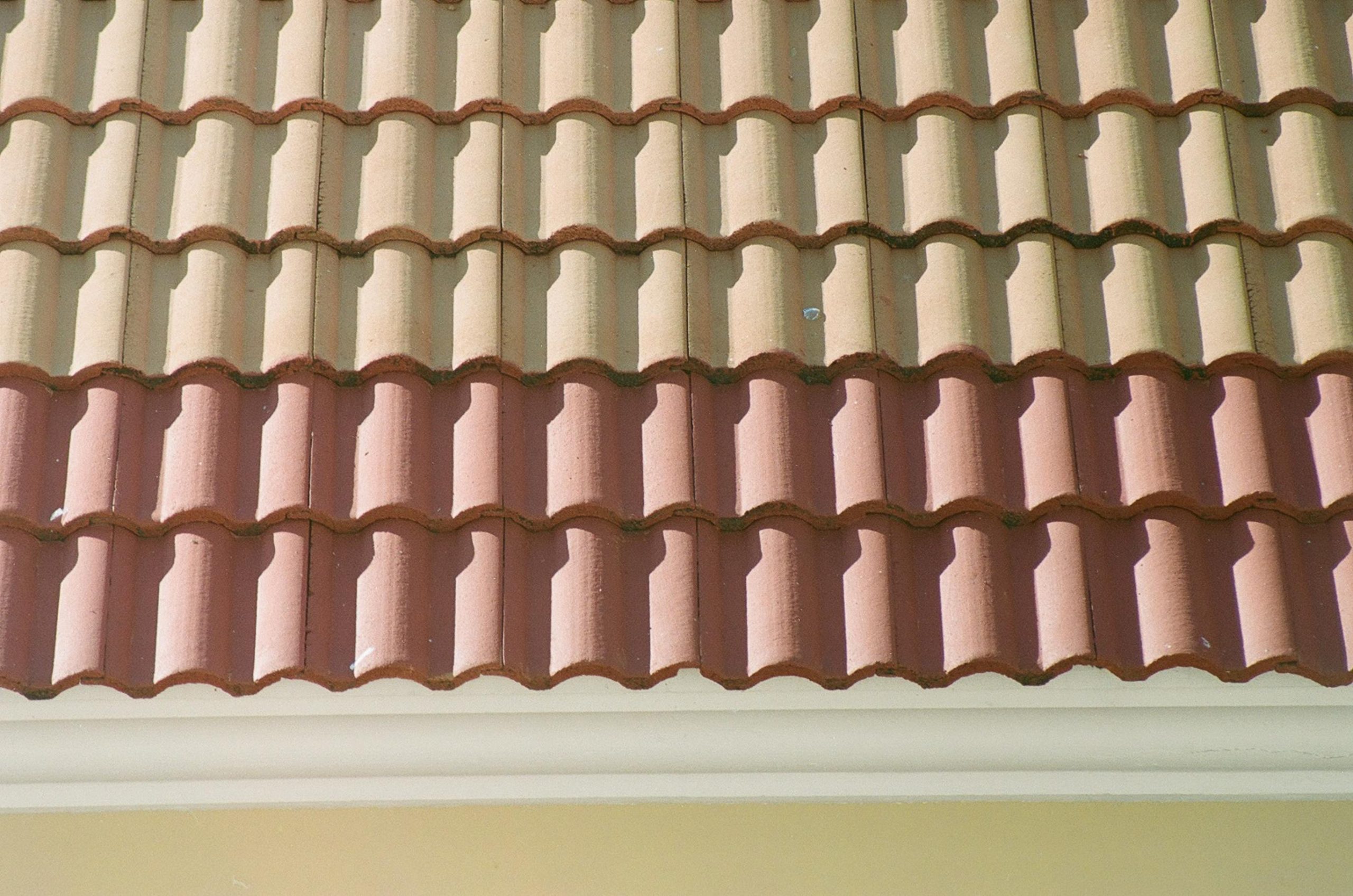
Clay and Concrete Tiles for Natural Cooling
Clay and concrete tiles are traditional materials that now offer modern energy benefits.
These materials naturally allow air to circulate underneath them. This creates a thermal barrier between the roof and attic space.
Energy advantages include:
- Natural airflow
- High thermal mass
- Long lifespan
- Excellent durability
Tile roofing works especially well in hot climates. The material absorbs heat slowly and releases it gradually, reducing temperature spikes.
Modern tile manufacturing also improves color retention and weather resistance.
Insulated Roofing Systems
Energy efficiency is not only about surface material. Insulation plays a major role.
Modern roofing materials often include integrated insulation systems.
Common insulation improvements include:
- Radiant barriers
- Spray foam insulation
- Rigid foam board
- Reflective attic barriers
These systems reduce heat transfer in both summer and winter.
Proper insulation combined with efficient roofing materials:
- Reduces energy loss
- Improves HVAC performance
- Maintains consistent indoor temperature
Homeowners should evaluate attic insulation along with roofing upgrades for best results.
Roof Ventilation and Airflow
Modern roofing materials are often paired with improved ventilation systems.
Without proper ventilation, heat and moisture build up in the attic. This reduces energy efficiency and damages roofing materials over time.
Effective ventilation includes:
- Ridge vents
- Soffit vents
- Gable vents
- Powered attic fans
When ventilation works with energy-efficient roofing, the benefits increase significantly.
Proper airflow:
- Prevents moisture damage
- Reduces cooling demand
- Protects insulation
- Extends roof lifespan
Roof designs that incorporate ventilation systems strategically can enhance overall performance.
The Role of Roof Designs in Energy Efficiency
The shape and slope of your roof also influence energy performance. Different roof designs impact how heat, air, and sunlight interact with your home.
For example:
- Gable roofs allow strong ventilation and attic airflow.
- Hip roofs provide balanced shade and wind resistance.
- Flat roofs make solar panel installation easier.
- Butterfly roofs can collect rainwater efficiently.
Choosing roof designs that match your climate improves energy performance. A steep slope may shed snow better in cold climates, while reflective flat roofs perform well in sunny regions.
Energy efficiency is not just about material — it’s about smart design choices.
Energy Savings and Utility Bill Reduction
Many homeowners upgrade roofing for appearance. However, the financial benefits can be significant.
Energy-efficient roofing can:
- Reduce cooling costs by 10–25 percent
- Lower heating expenses
- Improve insulation performance
- Increase resale value
Over time, energy savings may offset installation costs.
In some states, energy-efficient roofing also qualifies for:
- Tax credits
- Utility rebates
- Green building incentives
Homeowners should research local programs when considering upgrades.
Environmental Benefits of Modern Roofing
Energy-efficient roofing does more than save money. It also helps the environment.
Modern roofing materials reduce:
- Carbon emissions
- Urban heat island effect
- Energy consumption
- Waste through longer lifespan
Many materials are recyclable or made from recycled content.
For example:
- Metal roofs are often 100 percent recyclable.
- Some shingles use recycled rubber or plastic.
- Solar roofing reduces fossil fuel reliance.
Eco-friendly roofing supports sustainable home improvement.
Weather Resistance and Durability
Energy efficiency improves when roofing materials remain intact over time.
Modern roofing materials are designed to resist:
- UV radiation
- Wind damage
- Moisture intrusion
- Thermal expansion
Long-lasting roofs prevent insulation damage and air leaks.
Durable roofing maintains consistent energy performance year after year.
Investing in quality materials reduces maintenance costs and improves long-term savings.
Choosing the Right Modern Roofing Materials
Selecting the best option depends on:
- Climate conditions
- Budget
- Architectural style
- Energy goals
- Local building codes
Homeowners should consult professional roofing contractors for evaluation.
When comparing options, consider:
- Reflectivity ratings
- Insulation compatibility
- Solar integration potential
- Maintenance needs
- Warranty coverage
A professional energy audit may also help determine which upgrades provide the greatest return.
Installation Quality Matters
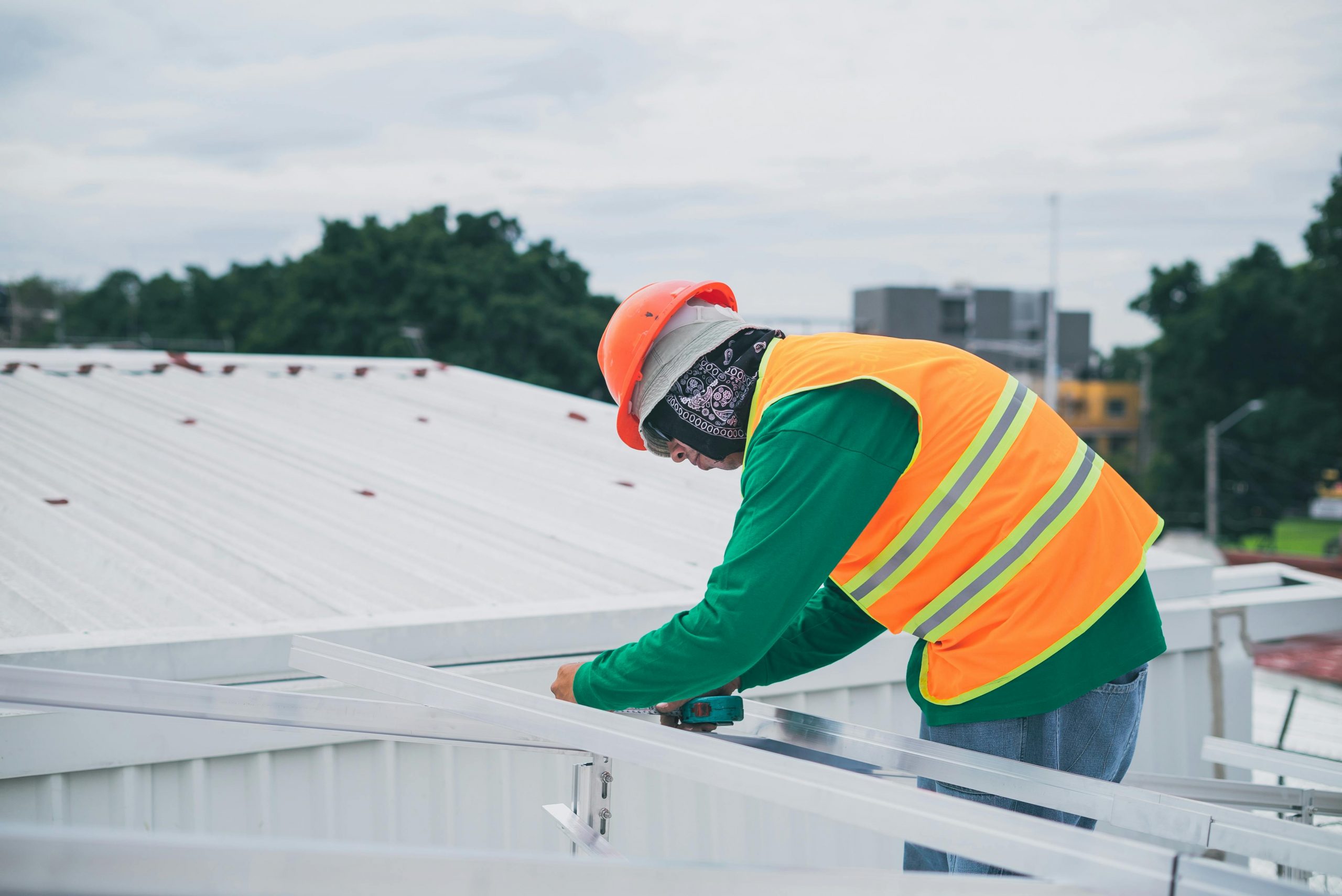
Even the best roofing material performs poorly if installed incorrectly.
Proper installation ensures:
- Secure sealing
- Correct ventilation
- Waterproof flashing
- Balanced airflow
Poor installation can lead to leaks, insulation damage, and energy loss.
Hiring licensed professionals protects your investment and ensures energy efficiency goals are met.
Long-Term Value of Energy-Efficient Roofing
Energy efficiency is a long-term investment.
Benefits include:
- Lower monthly bills
- Increased home comfort
- Reduced HVAC strain
- Higher resale value
- Environmental responsibility
Modern roofing materials combine durability, design, and performance.
Over decades, savings add up significantly.
Final Thoughts
Modern roofing materials have transformed the way homes manage energy. Today’s options reflect heat, improve insulation, support ventilation, and even generate renewable power.
Whether you choose metal roofing, advanced shingles, tile systems, or solar-ready designs, upgrading your roof can dramatically improve efficiency and comfort.
Energy-efficient roofing is not just about reducing bills — it’s about building a smarter, more sustainable home.
When paired with thoughtful roof designs and professional installation, modern materials deliver both style and long-term performance. If your goal is to lower energy costs and enhance home value, your roof is one of the smartest places to start.