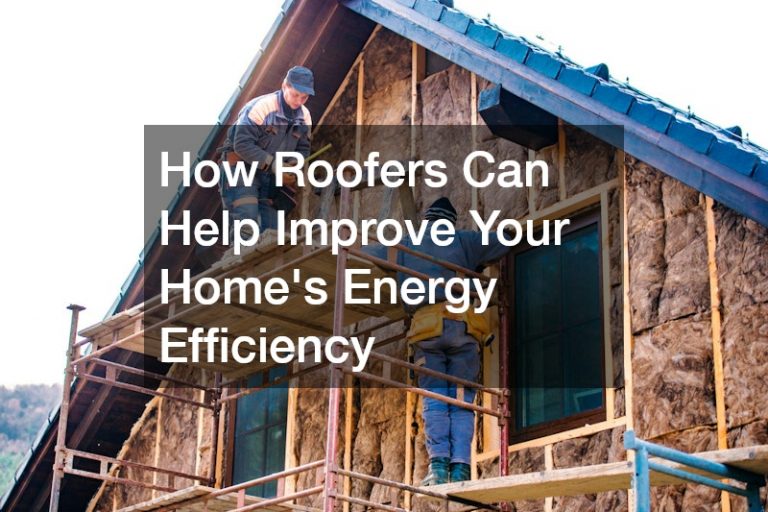
A home that holds temperature well feels more comfortable and costs less to maintain. Many homeowners focus on windows, insulation, or HVAC systems, yet the roof often plays the largest role in energy performance. Heat rises, sunlight beats down from above, and small gaps can quietly drain efficiency day after day.
Roofing professionals understand how these factors work together. They look beyond surface damage and focus on how a roof performs as part of the entire structure. With the right approach, they help reduce energy waste, improve indoor comfort, and extend the life of the home itself.
Understanding How the Roof Impacts Energy Use
A roof serves a crucial role beyond merely protecting against rain or snow; it plays a significant part in regulating the temperature inside your home. During the sweltering summer months, roofing materials absorb sunlight and subsequently transfer heat indoors, which can lead to discomfort and increased energy consumption. Conversely, in the winter, inadequate insulation and ventilation can cause warm air to escape, resulting in higher heating costs.
Professional roofers are essential in identifying and addressing these issues. A reputable local roofing contractor typically initiates the process with a comprehensive inspection, pinpointing gaps in insulation, worn materials, and ventilation challenges that can escalate energy bills. This proactive approach not only enhances comfort but can also result in substantial long-term savings.
Homeowners who prioritize regular roof evaluations often find that even minor repairs can lead to significant reductions in energy costs. Moreover, collaborating with top-tier roofing companies provides access to innovative materials and advanced installation techniques, improving overall energy efficiency and extending the lifespan of the roof. Investing in a well-maintained roof not only enhances property value but also promotes a healthier living environment, making it a worthwhile endeavor for any homeowner.
The Role of Insulation and Ventilation
Insulation and ventilation work together to regulate indoor temperature. Without proper airflow, heat becomes trapped in the attic, forcing cooling systems to work harder. At the same time, poor insulation allows conditioned air to escape.
Roofing services that focus on energy efficiency address both issues at once. A contractor may recommend adding insulation layers or installing ridge vents to allow hot air to escape. These upgrades help stabilize indoor temperatures throughout the year.
Key improvements often include:
- Adding attic insulation to reduce heat transfer
- Installing ridge and soffit vents for better airflow
- Sealing gaps where air may leak into or out of the home
- Using reflective barriers to deflect radiant heat
A reliable roofing business understands that these changes are not just repairs. They directly influence how much energy a home uses daily.
What Specific Materials Are Considered the Most Energy-Efficient for Different Climates?
Choosing the right roofing material significantly impacts energy efficiency, and this can vary based on climate conditions. In warmer regions, lighter-colored roofing materials such as reflective shingles or metal roofing are ideal. These materials reflect sunlight, reducing heat absorption and helping to keep indoor temperatures low. Cool roofing systems that utilize reflective coatings are also effective, as they minimize heat gain and can lower cooling costs.
In contrast, colder climates benefit from materials with excellent insulation properties. Asphalt shingles combined with a high R-value insulation can help retain heat, keeping homes warm during the winter months. Additionally, slate or tile roofs can offer energy efficiency benefits as they have a certain degree of thermal mass, helping to regulate indoor temperatures by absorbing heat during the day and releasing it at night.
Beyond material selection, proper installation and ventilation are crucial for maximizing energy efficiency. Investing in ventilated systems alongside insulated roofing materials ensures that air circulates effectively, further enhancing comfort and reducing energy bills. Homeowners should consult with experienced roofing professionals who can recommend the best materials based on local climate and individual home needs, ensuring a balance between durability, aesthetics, and energy efficiency.
Choosing Materials That Reflect and Resist Heat
The type of roofing material makes a significant difference in energy performance. Some materials absorb heat, while others reflect it. Lighter-colored shingles, metal roofing, and specially designed reflective coatings can reduce heat absorption.
Experienced roofers guide homeowners through material choices based on climate, budget, and long-term goals. For example, metal roofing reflects sunlight effectively, while certain shingles are designed to release heat more quickly.
Benefits of energy-efficient materials include:
- Lower indoor temperatures during warmer months
- Reduced strain on cooling systems
- Longer lifespan due to less thermal stress
- Improved overall comfort
- Decreased energy bills from lower heating and cooling needs
- Enhanced indoor air quality through better ventilation
- Lower carbon footprint, contributing to environmental sustainability
- Increased property value from energy-efficient upgrades
- Greater resilience against temperature fluctuations
- Potential for government incentives or rebates for energy-efficient renovations
- Quieter indoor environments due to improved insulation properties
- Compatibility with renewable energy systems, such as solar panels
These benefits make energy-efficient materials a smart choice for both homeowners and businesses. Many local residential roofing services now offer eco-conscious options that balance durability with efficiency, helping homeowners make smarter long-term investments.
Addressing Damage Before It Impacts Efficiency
Even small roof issues can lead to major energy loss. Cracked shingles, loose flashing, or minor leaks allow air to escape and moisture to enter. Over time, this reduces insulation performance and increases utility costs. Regular inspections are essential, as they can identify problems early before they escalate.
Local roof repair plays a critical role in maintaining efficiency. Quick fixes prevent minor damage from turning into larger structural problems. Regular maintenance also keeps the roof functioning as intended, ensuring it remains weather-tight.
When damage occurs suddenly, local emergency roof repairs become essential. Storms, fallen debris, or high winds can create openings that disrupt temperature control almost immediately. Addressing these issues quickly protects both the home and its energy performance.
Homeowners who stay proactive often avoid higher repair costs and keep their homes running efficiently year-round. Investing in a reliable roof not only enhances the property’s value but also contributes to its overall comfort and safety. Regular maintenance, including cleaning gutters and checking for wear, can significantly extend a roof’s lifespan and performance.
Flat Roof Solutions and Energy Performance
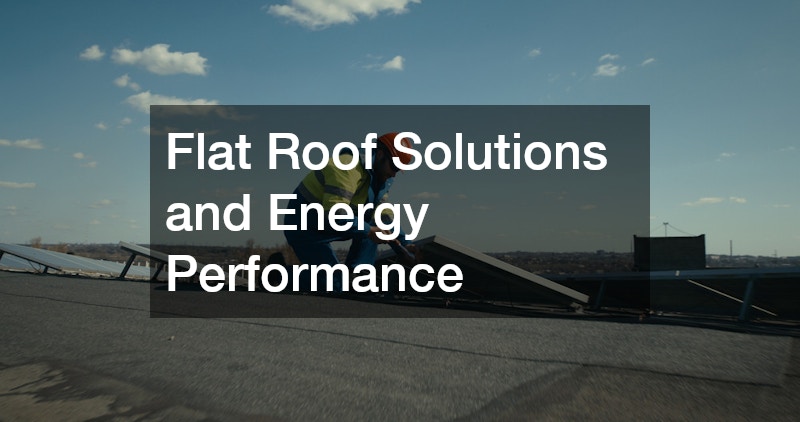
Flat roofs require a different approach compared to traditional sloped designs. They tend to absorb more heat due to their shape and exposure. Without proper treatment, they can become a major source of energy loss.
Flat roofing services focus on improving drainage, adding reflective coatings, and enhancing insulation. These upgrades reduce heat retention and prevent water buildup, which can weaken materials over time.
Common strategies include:
- Applying reflective coatings to reduce heat absorption
- Installing high-performance insulation layers
- Improving drainage systems to prevent standing water
- Using durable membranes that resist temperature changes
Commercial roofing inspections often highlight these issues in larger buildings, but the same principles apply to residential properties with flat or low-slope roofs.
Sealing and Waterproofing for Better Efficiency
Air leaks and moisture infiltration are two of the biggest threats to energy efficiency. When outside air enters the home, heating and cooling systems must work harder to maintain a stable temperature.
Professional roofing services address these concerns through sealing and waterproofing techniques. Flashing is reinforced, seams are sealed, and vulnerable areas are protected against weather exposure.
These improvements help:
- Prevent drafts and air leaks
- Protect insulation from moisture damage
- Maintain consistent indoor temperatures
- Extend the life of roofing materials
A skilled roofing business treats sealing as a critical step, not an afterthought. Proper waterproofing supports both energy savings and structural integrity.
The Value of Routine Inspections
Regular inspections help homeowners stay ahead of potential problems. Instead of reacting to visible damage, inspections uncover hidden issues that affect energy performance.
During an inspection, professionals assess:
- Insulation condition
- Ventilation effectiveness
- Material wear and tear
- Signs of leaks or moisture buildup
Commercial roofing inspections often follow strict schedules, but residential properties benefit just as much from consistent evaluations. A dependable local roofing contractor can recommend how often inspections should occur based on climate and roof type.
Routine checks reduce the risk of unexpected repairs and keep energy efficiency on track.
Upgrading Older Roof Systems
Older roofs often lack modern materials and design features that improve efficiency. Over time, they become less effective at regulating temperature and protecting the home.
Upgrading an outdated roof can lead to noticeable improvements. New materials, improved insulation, and updated ventilation systems work together to create a more efficient structure.
Roofers may suggest:
- Replacing worn shingles with energy-efficient alternatives
- Adding ventilation systems to improve airflow
- Installing updated underlayment materials
- Reinforcing insulation to meet current standards
Homeowners who invest in upgrades often see long-term savings through reduced energy bills and fewer repair needs.
How Proper Installation Makes a Difference
Even the best materials fail if installed incorrectly. Gaps, misaligned shingles, or poor sealing can compromise the entire system. Experienced roofers focus on precision during installation, understanding that their craftsmanship directly influences the lifespan of the roof. They follow proven methods that support both durability and energy performance. This includes proper alignment, secure fastening, and thorough sealing, which are essential steps in the process.
The best roofing company prioritizes workmanship because small details have a large impact. Proper installation reduces the risk of air leaks, moisture intrusion, and heat loss, ensuring that your home remains energy-efficient. Choosing skilled professionals ensures the roof performs as expected from day one, providing peace of mind and protecting your investment. Furthermore, a well-installed roof can enhance your property’s value and curb appeal, making it an essential consideration for any homeowner. Investing in expert installation means fewer repairs and maintenance issues down the line. A reliable roof is not just about aesthetics; it’s about safeguarding your home for years to come.
Energy Efficiency and Long-Term Savings
Improving a roof’s energy performance is not just about comfort. It also affects long-term costs. Homes that maintain stable temperatures require less energy for heating and cooling.
Over time, these savings add up. Reduced strain on HVAC systems also lowers maintenance and replacement costs. Homeowners benefit from:
- Lower monthly utility bills
- Extended lifespan of heating and cooling systems
- Fewer emergency repairs
- Increased property value
Local residential roofing services often highlight these financial benefits when helping homeowners plan upgrades or repairs.
Seasonal Maintenance and Weather Preparedness
Weather changes throughout the year place different demands on a roof. Summer heat, winter snow, and seasonal storms all affect how well a roof performs. Staying ahead of these conditions helps maintain energy efficiency and prevents sudden issues.
A proactive approach often includes scheduling maintenance before extreme weather arrives. Roofing services may involve clearing debris, checking seals, and reinforcing vulnerable areas. These steps reduce the chance of damage that could impact insulation or airflow.
Seasonal priorities typically include:
- Inspecting shingles and flashing before storm season
- Removing debris that may trap moisture or block drainage
- Checking attic ventilation ahead of extreme temperatures
- Reinforcing seals to prevent drafts during colder months
A dependable local roofing contractor understands how regional weather patterns affect roofing systems. Their guidance helps homeowners prepare rather than react.
When severe weather does cause damage, quick action is critical. Local roof repair services help restore performance before energy loss becomes a larger issue. In urgent cases, local emergency roof repairs protect the home from further exposure.
Consistent maintenance also supports long-term durability. A well-maintained roof handles seasonal stress more effectively, reducing the likelihood of major repairs.
For homeowners, this means fewer surprises and more predictable energy costs. It also creates peace of mind knowing the roof can handle changing conditions without sacrificing performance.
Working with the Right Professionals
Choosing the right team makes a noticeable difference in results. Not all contractors focus on energy efficiency, so it is important to work with professionals who understand the full picture.
A reliable roofing business takes time to evaluate the home, explain options, and recommend solutions that align with specific needs. They do not rely on one-size-fits-all approaches. Instead, they tailor their work based on the structure, climate, and homeowner goals.
Qualities to look for include:
- Proven experience with energy-efficient solutions
- Clear communication and detailed assessments
- Strong reputation in the local community
- Commitment to quality materials and workmanship
A trusted local roofing contractor becomes a long-term partner in maintaining and improving the home.
Maximizing Energy Efficiency: The Essential Role of Quality Roofing in Your Home
A roof plays a central role in how a home uses energy. From insulation and ventilation to materials and installation, every detail influences performance. Professional roofers bring the knowledge and tools needed to address these factors effectively. With the right upgrades and consistent care, homeowners can enjoy a more comfortable space while reducing energy costs. The results are practical, long-lasting, and worth the investment.