
Protecting Your Property Against Harsh New England Winters
Winter in New England is both beautiful and punishing. The season brings bone-chilling temperatures, heavy snowstorms, Nor’easters, wind gusts that batter exposed surfaces, and freeze–thaw cycles that strain every structural component of a home. Because this part of the country experiences some of the most intense winter conditions in the United States, preparing your property requires a level of planning and diligence that goes well beyond simple weatherproofing. Homeowners must anticipate not just predictable cold, but sudden temperature drops, ice buildup, and extended stretches of moisture that test even well-maintained properties.
This guide provides an in-depth, comprehensive plan for preparing a home to endure even the harshest winter months. Whether you’re a new homeowner or have lived in New England your entire life, the insights below will help you approach cold-season maintenance strategically, avoid costly emergencies, and protect the long-term value of your property. With thoughtful preparation, you can face the season with significantly greater confidence and peace of mind.
Assessing and Reinforcing the Roof Before Snow and Ice Accumulate
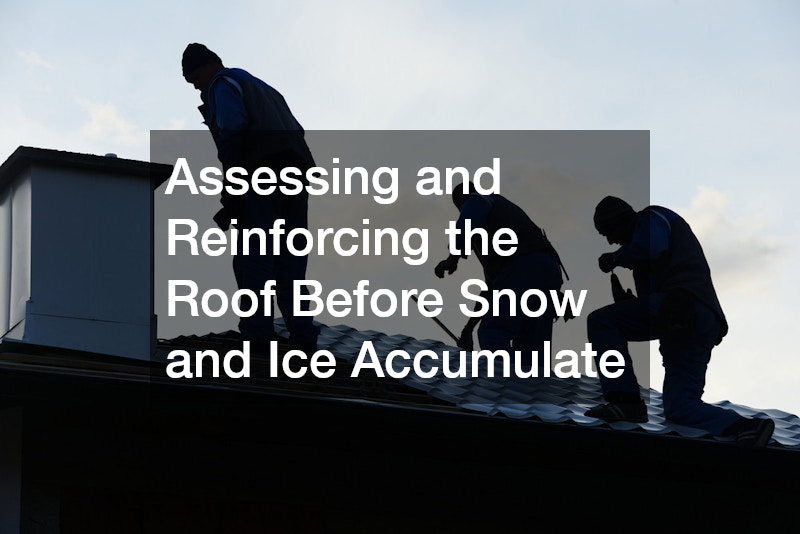
Your roof is the single most important line of defense during a New England winter. Heavy snowfall, ice dams, extreme winds, and persistent moisture can expose even minor weaknesses and turn them into serious problems. Before temperatures fall, perform a thorough top-to-bottom evaluation.
Key Warning Signs Your Roof Needs Attention
- Curled, missing, or deteriorated shingles
- Sagging rooflines
- Water stains in upstairs ceilings or attic spaces
- Excess granule loss collecting in gutters
- Flashing that looks loose, corroded, or improperly sealed
- Moss or algae patches, which indicate trapped moisture
If you identify issues or if your home is older, it is wise to bring in a commercial roofing company for a professional assessment. These teams can evaluate load-bearing capacity, ventilation adequacy, and structural integrity—critical factors considering how much snow New England roofs must support.
Older homes face an additional challenge. Legacy roofing materials or attic insulation may contain harmful substances. Before disturbing old layers during repairs or upgrades, homeowners should have an expert confirm whether asbestos removal is required. Proper testing and professional remediation ensure both safety and full compliance with environmental regulations.
Steps to Strengthen Your Roof Before the First Storm
- Repair or replace damaged shingles.
- Reinforce flashing around chimneys, skylights, and vent pipes.
- Improve roof ventilation to minimize ice dam formation.
- Install heated cables in known problem spots if ice dams have occurred before.
- Clear gutters and downspouts to facilitate winter drainage.
Taking time for a full inspection prevents midwinter emergencies and helps your home withstand months of severe weather.
Preparing Exterior Walls and Siding for Extreme Temperature Shifts
New England winters subject exterior walls to intense freeze–thaw cycles. Moisture that sneaks behind siding or penetrates through small cracks expands as temperatures drop, amplifying damage over time. Reinforcing your home’s exterior walls now prevents long-term structural deterioration and costly repairs.
What to Look for During Your Pre-Winter Inspection
- Warped or aged siding boards
- Soft spots that suggest hidden moisture
- Chipped, bubbling, or peeling exterior coatings
- Hairline cracks near joints or seams
- Gaps where pests or cold air may penetrate
Some homeowners choose to enhance their home’s weather resistance with a stucco over siding service, which adds insulation value and reduces air infiltration. This can be a strong option for older homes with worn surfaces, as it creates a new protective barrier that handles winter moisture more effectively.
Even if you’re not upgrading your siding system, your home may benefit from an exterior coating refresh. Skilled residential painters can apply high-performance exterior paints designed to resist moisture penetration and withstand harsh winter conditions. Their work does more than improve curb appeal—it enhances longevity and durability.
Practical Wall-Protection Strategies
- Seal all exterior gaps with cold-weather caulking.
- Touch up protective coatings where paint has deteriorated.
- Install wind-resistant siding fasteners in known high-wind zones.
- Clean and repair trim boards before temperatures drop.
- Add additional exterior insulation in vulnerable areas.
When walls are sealed, coated, and reinforced, they are better equipped to endure winter’s harshest cycles.
Ensuring Windows and Doors Are Fully Winterized
Windows and doors are major sources of heat loss, especially in regions where temperature differences between indoors and outdoors can be extreme. Addressing inefficiencies early in the season helps lower energy bills and maintain consistent indoor comfort.
How to Diagnose Heat Loss
- Perform a “candle test”: hold a flame near window edges to detect drafts.
- Run your hand along frames searching for cold air seepage.
- Check for condensation or frost buildup between panes.
- Inspect weatherstripping for wear or brittleness.
If windows are outdated or damaged, contacting professional window replacement services can significantly improve insulation. Modern windows often provide better seals, energy-efficient coatings, and superior performance during severe winter weather.
Doors are equally important. Homes near the coast or exposed to winter’s high winds may benefit from installing hurricane doors, which offer a tighter seal and greater impact resistance, helping protect against debris or extreme wind pressure during storms.
Recommended Winterization Tasks
- Replace old weatherstripping around frames.
- Apply caulk to exterior seams.
- Use interior window film kits for temporary insulation.
- Check and adjust thresholds to eliminate small gaps.
- Repair warped or swollen door frames.
Well-sealed openings pay off all winter long through lower heating costs and improved comfort.
Strengthening Critical Home Systems for Sub-Zero Temperatures

Winter strains mechanical and plumbing systems in ways that are not always visible. Preparing these systems before extended cold sets in is essential for preventing costly midseason failures.
Winter HVAC Preparation
Even though cooling may be the last thing on your mind during winter, homeowners often rely on ac installation services and HVAC technicians to ensure their heating system is fully functional. These professionals can test airflow, inspect ductwork, identify inefficiencies, and verify that all components are operating safely.
Core tasks include:
- Furnace inspection and cleaning
- Thermostat calibration
- Air filter replacement
- Checking outdoor units for debris and ice exposure
- Ensuring that vents are unobstructed
Winterizing Water Systems
In rural communities or homes with private wells, sub-zero temperatures can jeopardize water access. Partnering with experienced water well contractors helps ensure that pumps, pressure tanks, and supply lines are insulated and protected from freezing.
Recommended protections include:
- Heat tape on exposed piping
- Insulated well caps
- Sealed well houses to prevent cold air infiltration
- Backup power solutions for pump reliability
Taking these steps helps maintain consistent water flow, prevents pipe bursts, and avoids expensive emergency repairs.
Safeguarding Chimneys and Venting Pathways from Snow and Ice Damage
Chimneys face extreme wear each winter. Snow, ice, and freeze–thaw cycles can widen cracks, weaken masonry, and create hazardous conditions. Addressing issues before winter ensures safe fireplace and furnace operation.
Warning Signs Your Chimney Needs Attention
- Crumbling mortar between bricks
- Water stains inside the firebox
- Visible cracking on the exterior
- Loose bricks or deteriorated flashing
- Animal nests or debris blocking ventilation
If your chimney shows significant deterioration, a professional chimney restoration specialist can repair the structure, reline the flue, and improve overall safety. Leaving issues unaddressed increases the risk of drafts, smoke infiltration, or carbon-monoxide hazards.
Severe structural instability may require partial or full removal before rebuilding. In cases where sections must be removed, careful demolition ensures the surrounding roofing and siding remain intact while the damaged portion is taken down safely.
Chimney Winter-Preparation Checklist
- Install or repair chimney caps.
- Seal all cracks with professional-grade mortar.
- Replace rusted flue liners.
- Verify all venting pathways are clear.
- Reflash or reseal joints where the chimney meets the roof.
Chimneys that are structurally sound and properly sealed prepare your home for safe winter heating.
Reinforcing the Home’s Thermal Envelope and Preventing Heat Loss
Maintaining warmth during New England winters requires a well-sealed thermal envelope. Attics, basements, and crawl spaces often become sources of energy waste if not adequately insulated.
Priority Areas to Inspect
- Attic insulation depth and uniformity
- Basement rim joists
- Crawl space vapor barriers
- Air leaks around recessed lighting
- Gaps around utility penetrations
Techniques for Strengthening the Thermal Envelope
- Add blown-in cellulose or fiberglass insulation where needed.
- Use spray foam to seal hard-to-reach crevices.
- Install insulated basement doors and hatches.
- Ensure attic ventilation is balanced to prevent moisture buildup.
- Apply foam gaskets behind outlet and switch plates.
By addressing these areas comprehensively, homeowners significantly reduce heating costs, improve indoor comfort, and prevent problems such as ice dams.
Managing Water, Drainage, and Foundation Stability in Freezing Conditions
Frozen soil, heavy snowmelt, and ice accumulation can all place pressure on your foundation. Winter is a season when improper drainage becomes visible in the form of leaks, seepage, or shifting.
Steps to Improve Exterior Drainage Before Winter
- Clean gutters and downspouts thoroughly.
- Extend downspouts six feet or more away from the home.
- Regrade soil to slope away from the foundation.
- Inspect French drains or perimeter drains for obstructions.
- Seal cracks in concrete walls or floors.
Protecting the Foundation in Deep Cold
- Ensure basement windows are sealed.
- Install window well covers to prevent snow intrusion.
- Check sump pump functionality.
- Add exterior insulation panels near vulnerable areas.
- Remove snow piles away from basement walls.
Proper drainage and foundation care help prevent frost heaving, shifting, and moisture-related damage during the coldest months.
Planning Ahead for Storm-Driven Emergencies and Power Outages
Severe storms are common in New England winters. Power outages can last hours—or days—depending on storm severity and regional infrastructure. A good emergency plan minimizes stress and protects your household during unexpected disruptions.
Build a Winter Emergency Kit
- Flashlights and extra batteries
- Portable phone chargers
- Bottled water and nonperishable food
- Fire extinguisher
- First-aid supplies
- Warm blankets and backup clothing
- Battery-powered weather radio
Prepare for Heating and Power Loss
- Have a backup heat source, such as a wood stove or propane heater.
- Know how to shut off your water supply to prevent pipe bursts.
- Store extra fuel safely and away from ignition sources.
- Keep important documents together in a waterproof container.
Create a Snow and Ice Management Plan
- Buy ice melt before snowfall begins.
- Store shovels and roof rakes in accessible locations.
- Identify vulnerable surfaces that need protection.
- Plan snow-clearing routes to avoid blocking foundation vents or drains.
Being prepared protects your home and your family throughout the most difficult winter weather.
Partnering With Qualified Professionals for Specialized Winter Prep Tasks
Some tasks are well suited for DIY, but others require specialized knowledge, tools, or certifications. Knowing when to call a professional prevents injuries, code violations, and expensive mistakes.
When to Hire an Expert
- Roof inspections or structural repairs
- Major heating system adjustments
- Chimney rebuilding or flue work
- Electrical panel upgrades
- Foundation sealing or waterproofing
- Well system calibration
- Hazardous material remediation
What to Look for in a Winter-Prep Professional
- Proper licensing and insurance
- Certifications in their field
- Strong understanding of regional weather impacts
- Clear estimates and transparent pricing
- Willingness to provide maintenance documentation
Benefits of Professional Support
- Peace of mind during severe weather
- Greater accuracy in identifying hidden issues
- Long-term cost savings
- Higher safety standards
- Increased property resilience
Investing in expert support is one of the best ways to ensure a property is truly winter-ready.
Additional Tips for Staying Prepared All Season Long
Even after completing your major winter-preparation tasks, staying ready throughout the season is equally important. Regularly monitor areas prone to ice buildup so you can intervene early. Keep emergency supplies refreshed and accessible, especially if storms are forecast. Consider setting reminders to check insulation, test alarms, and clear outdoor vents monthly during cold periods. Staying proactive ensures that minor issues never have the opportunity to become larger, more expensive problems. With a simple seasonal maintenance rhythm, you can maintain safety, comfort, and peace of mind all winter long.
New England winters demand respect. The cold, wind, snow, and rapidly changing conditions can test every aspect of a property’s structure and systems. By preparing early, taking a comprehensive approach, and addressing vulnerabilities before the first storm arrives, you safeguard not only your home but also your comfort, financial stability, and long-term property value. With the strategies outlined in this guide, you can go into the season confident that your home is ready for whatever winter brings. Thorough preparation also reduces stress during major storms, allowing you to focus on keeping your family safe rather than scrambling to fix problems as they arise. You’ll also be better equipped to handle unexpected temperature swings, heavy snow loads, or prolonged power outages that often catch unprepared homeowners off guard. Careful planning helps extend the lifespan of key components of your home by reducing wear and tear caused by harsh weather. Most importantly, investing time into readiness each year builds a stronger, more resilient home that can stand up to whatever nature delivers.