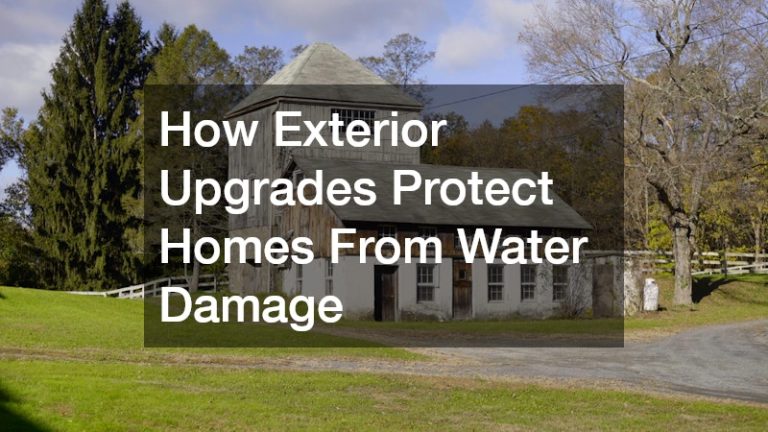
Why Moisture Protection Requires a Complete Exterior Strategy
Water damage is one of the most expensive and frustrating problems homeowners face. What often begins as a small leak or drainage issue can quickly develop into structural deterioration, mold growth, insulation damage, and interior repairs that cost thousands of dollars. Because moisture problems frequently start outside the home, protecting the exterior is essential for preventing long-term issues indoors.
Many homeowners focus on repairing visible problems after damage has already occurred. However, preventative exterior upgrades offer a far more effective and affordable approach. Improvements to roofing systems, siding, drainage components, ventilation, and weatherproofing features can significantly reduce the risk of leaks and moisture intrusion throughout the year.
Protecting a home from water damage requires understanding how every exterior component works together. When one area fails, moisture often spreads into surrounding materials and creates larger problems over time. Investing in proactive maintenance and durable upgrades helps homeowners preserve property value while creating a safer and healthier living environment.
Improve Drainage Systems to Keep Water Moving Away
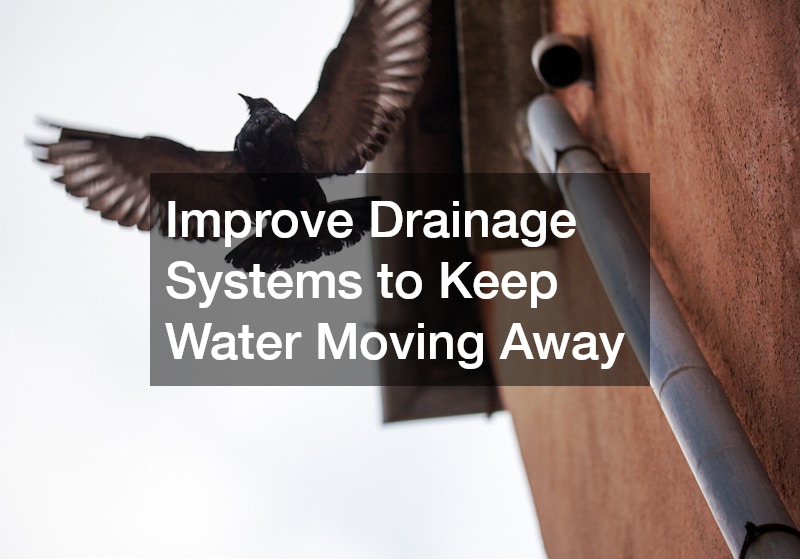
One of the most important ways to protect a home from moisture problems is ensuring rainwater drains properly away from the roof and foundation. Poor drainage allows water to collect near vulnerable areas, increasing the likelihood of leaks, wood rot, erosion, and basement flooding.
Installing a seamless gutter system helps minimize leaks that commonly occur at joints and seams found in older gutter designs. Because these systems are custom-fitted to the home, they provide smoother water flow and reduce the chances of overflow during heavy rainfall. Homeowners who experience pooling water near the foundation often benefit greatly from upgraded drainage systems.
Routine maintenance is equally important. Leaves, dirt, branches, and debris can clog gutters quickly, preventing water from flowing correctly. Overflowing gutters may cause water to seep behind siding, damage fascia boards, and weaken roofing structures over time. Cleaning gutters regularly helps prevent these issues before they escalate.
Professional roofing service providers frequently inspect gutter alignment, downspout placement, and drainage performance during maintenance visits. They may recommend extensions or drainage adjustments to direct water farther away from the home. These preventative measures can dramatically reduce long-term moisture risks.
Homeowners should also inspect gutters after major storms to ensure brackets remain secure and drainage pathways stay clear. Consistent attention to water management is one of the simplest yet most effective ways to prevent costly structural damage.
Select Roofing Materials Designed for Long-Term Protection
The type of roofing material installed on a home plays a major role in moisture resistance and long-term durability. Different materials offer varying levels of protection depending on the climate, maintenance needs, and overall structural design of the property.
A tile roof is known for its excellent durability and resistance to harsh weather conditions. Tile materials can withstand prolonged exposure to heat, rain, and wind while providing strong protection against moisture intrusion. Properly installed tile roofing also allows for effective water shedding, reducing the risk of standing moisture on the roof surface.
Many homeowners also choose metal roofs because of their longevity and weather-resistant performance. Metal roofing systems are highly effective at directing rainwater away quickly, making them especially useful in areas prone to heavy storms or snowfall. Their durable construction also helps minimize cracking, warping, and deterioration over time.
Regardless of the material selected, underlayment quality and installation methods remain critical. Even premium roofing products can fail if moisture barriers, flashing, and ventilation systems are not installed correctly. Homeowners should carefully evaluate roofing materials based on both appearance and long-term performance expectations.
Regular inspections remain important even with durable materials. Over time, debris accumulation, storm damage, and aging components can still create vulnerabilities that require maintenance or repair.
Address Installation Problems Before They Become Major Repairs
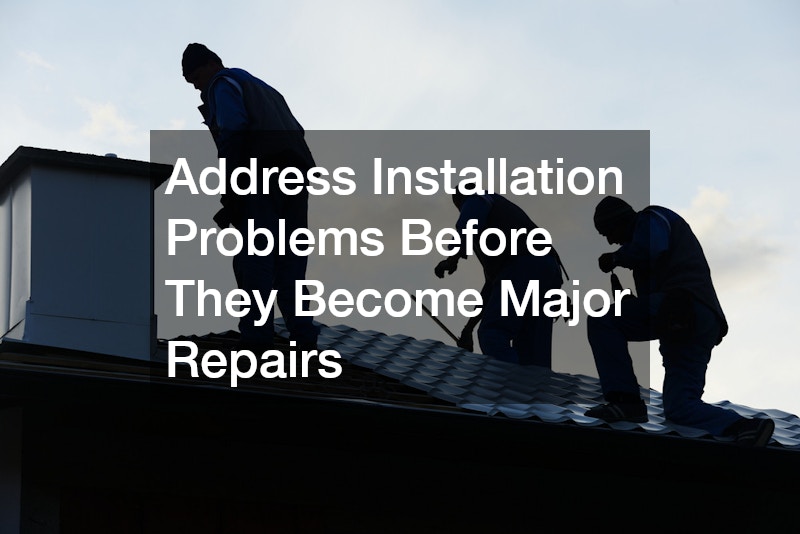
Even high-quality roofing materials can fail if installation errors occur. Improper workmanship often leads to hidden moisture intrusion that slowly damages structural components over time. Many homeowners do not realize installation problems exist until interior signs such as ceiling stains, peeling paint, or mold growth begin to appear.
A professional roof installation requires careful attention to flashing, sealing, underlayment placement, and ventilation systems. Weak points commonly develop around chimneys, skylights, vents, and roof valleys where water naturally concentrates during storms.
Improper nail placement, poorly sealed seams, and inadequate flashing are among the most common causes of roofing leaks. Small gaps may not cause immediate problems, but repeated exposure to rain and humidity allows moisture to penetrate deeper into the structure over time.
Homeowners should schedule inspections after major roofing work is completed to ensure everything was installed correctly. Warning signs such as loose shingles, uneven roof lines, water stains in the attic, or excessive granule loss may indicate underlying issues that require professional attention.
Addressing installation concerns early can prevent expensive repairs involving insulation, drywall, framing, and flooring later. A properly installed roof system provides long-term protection and significantly reduces the likelihood of recurring leaks.
Work With Experienced Professionals for Accurate Inspections
Professional inspections play a critical role in identifying hidden vulnerabilities before they lead to widespread moisture damage. Many roofing issues develop gradually and remain invisible from the ground, making professional evaluations especially valuable.
Experienced roofing contractors understand how local weather patterns, environmental conditions, and roofing materials affect long-term performance. Their training allows them to identify warning signs that homeowners may overlook, including deteriorating flashing, trapped moisture, weakened decking, and ventilation concerns.
Hiring local roofers can also provide advantages because they are familiar with regional climate challenges. Areas with heavy rain, coastal humidity, snow accumulation, or intense heat require different maintenance strategies and material recommendations. Local professionals often understand which roofing systems perform best under specific environmental conditions.
When evaluating contractors, homeowners should verify licensing, insurance coverage, references, and manufacturer certifications. Reputable professionals typically provide detailed inspection reports and explain repair recommendations clearly without unnecessary pressure.
Homeowners should also ask about warranty coverage, maintenance plans, and emergency response availability. Working with knowledgeable professionals helps ensure problems are identified early and addressed correctly before moisture spreads further into the home.
Preventative inspections are often far less expensive than emergency restoration projects caused by prolonged leaks or hidden structural deterioration.
Stop Mold Growth Before It Affects Indoor Air Quality
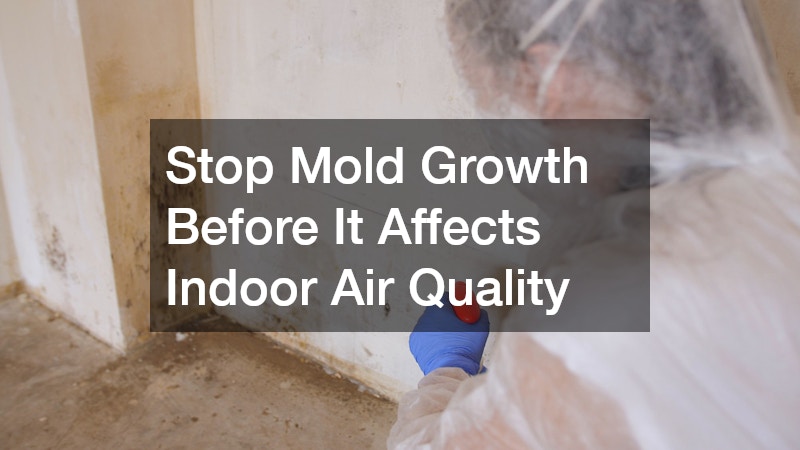
Moisture problems that go unresolved frequently create ideal conditions for mold growth. Once mold develops inside walls, ceilings, insulation, or attic spaces, it can spread quickly and negatively affect indoor air quality as well as structural materials.
A qualified local mold removal contractor can help identify the source of excess moisture while safely removing contaminated materials. Mold remediation involves more than simply cleaning visible surfaces. Professionals must address the underlying moisture source to prevent recurring contamination.
Leaks from roofs, siding gaps, clogged drainage systems, or poor ventilation often contribute to mold development. Areas around attics, crawl spaces, bathrooms, and basements are particularly vulnerable because trapped humidity creates ideal conditions for fungal growth.
A professional mold removal service typically includes moisture testing, containment procedures, air filtration, material removal, and preventative treatments. Homeowners should avoid disturbing large mold areas themselves because spores can spread through the air and contaminate additional surfaces.
Signs of potential mold problems include musty odors, discoloration on walls or ceilings, allergy symptoms, peeling paint, or persistent dampness indoors. Addressing these warning signs quickly helps protect both the home’s structure and the health of its occupants.
Preventing mold growth ultimately begins with controlling moisture throughout the home’s exterior and interior systems.
Reinforce Exterior Walls to Prevent Hidden Moisture Intrusion
Siding serves as another critical layer of protection against moisture damage. When siding becomes cracked, warped, loose, or improperly sealed, water can infiltrate wall cavities and damage insulation, framing, and drywall over time.
An experienced siding company can inspect exterior walls for vulnerabilities and recommend repairs or replacements where needed. Modern siding systems are designed to improve water resistance while also enhancing energy efficiency and curb appeal.
Homeowners should regularly inspect siding for gaps near windows, doors, corners, and utility penetrations. Even small openings may allow moisture to enter behind the exterior surface during heavy rain or wind-driven storms.
Proper caulking and sealing are essential for maintaining water resistance. Over time, sealants naturally deteriorate due to sun exposure and temperature fluctuations. Reapplying protective sealants periodically helps maintain a tight barrier against moisture intrusion.
Cleaning siding regularly also helps homeowners identify potential problems early. Mold, mildew, bubbling paint, or warped panels may indicate trapped moisture behind the exterior surface. Prompt repairs can prevent hidden structural damage from spreading deeper into the walls.
Strong exterior wall protection works together with roofing and drainage systems to create a complete moisture defense strategy.
Improve Ventilation to Reduce Moisture Buildup Indoors
Ventilation is often overlooked when homeowners think about preventing leaks and moisture damage. However, poor airflow can contribute significantly to condensation buildup inside attic spaces and beneath roofing materials.
A professional roofing service may recommend improving attic ventilation to help regulate humidity levels year-round. Proper airflow allows warm, moist air to escape while bringing in cooler, drier air from outside. This balance helps prevent condensation from forming on wood framing, insulation, and roof decking.
Excess humidity trapped in attic spaces can weaken structural materials over time and encourage mold growth. In colder climates, condensation may even freeze during winter and later melt into insulation and ceilings as temperatures rise.
Homeowners should monitor attics for warning signs such as musty odors, damp insulation, rusted nails, or visible condensation. These symptoms often indicate inadequate ventilation or hidden moisture problems.
Ventilation upgrades may include ridge vents, soffit vents, attic fans, or improved insulation systems designed to maintain consistent airflow. These improvements not only reduce moisture risks but can also improve overall energy efficiency throughout the home.
Maintaining balanced ventilation is an essential part of protecting both roofing systems and interior living spaces.
Prepare the Home for Severe Weather Conditions
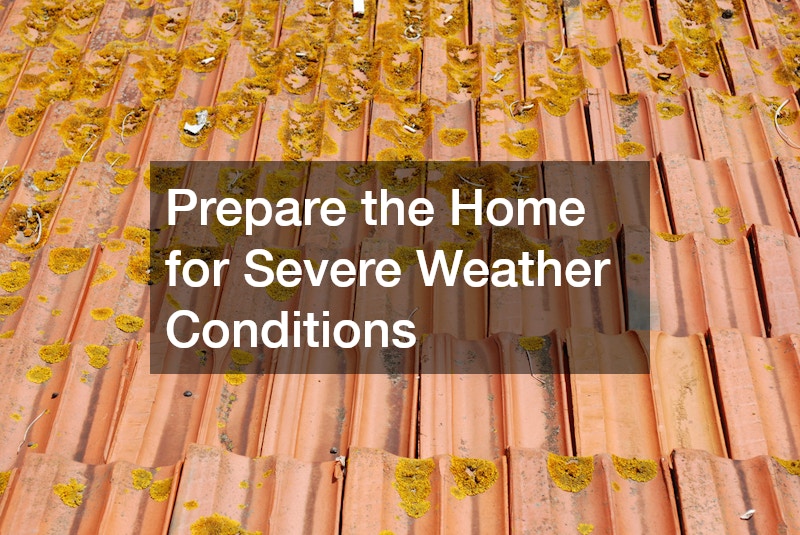
Storms place tremendous stress on exterior systems and often expose hidden vulnerabilities that may otherwise go unnoticed. Heavy rain, hail, wind, and snow can quickly turn small weaknesses into significant leaks and structural damage.
Homeowners should inspect their seamless gutter systems before storm seasons begin to ensure water can flow freely away from the roof and foundation. Securing loose brackets, removing debris, and checking downspout drainage all help improve storm readiness.
Professional roofing contractors may also recommend reinforcing flashing, sealing vulnerable roof penetrations, and trimming nearby tree branches that could damage roofing materials during high winds.
After major storms, homeowners should schedule inspections to identify missing shingles, loosened flashing, clogged drainage systems, or hidden structural concerns. Early detection helps prevent ongoing moisture exposure that could worsen over time.
Creating a seasonal maintenance checklist can help homeowners stay proactive throughout the year. Tasks such as clearing gutters, checking attic ventilation, inspecting siding, and monitoring drainage patterns all contribute to stronger long-term protection.
Storm preparation is not only about preventing immediate damage but also about reducing the risk of lingering moisture problems that develop afterward.
Build a Long-Term Plan for Exterior Maintenance
Protecting a home from water damage requires ongoing attention rather than one-time repairs. Exterior systems naturally experience wear over time, and small vulnerabilities can develop gradually without regular maintenance.
Working with trusted local roofers and a qualified siding company allows homeowners to establish a long-term maintenance strategy tailored to their property’s needs. Routine inspections, preventative repairs, and seasonal upkeep help identify issues before they become costly emergencies.
Homeowners should maintain records of inspections, repairs, warranty information, and upgrade timelines. Organized documentation simplifies future maintenance decisions and helps track the condition of major exterior systems over time.
Preventative maintenance may include gutter cleaning, sealant replacement, roof inspections, siding repairs, ventilation checks, and drainage evaluations. These small investments often save homeowners substantial amounts of money by preventing larger restoration projects later.
Long-term care also helps preserve property value and improve overall structural durability. Homes with well-maintained exteriors are better equipped to withstand changing weather conditions while maintaining a safer and healthier indoor environment.
Consistency is key when it comes to moisture prevention. Small routine efforts can dramatically reduce the likelihood of severe structural damage over the life of the home.
Proactive Upgrades Create Lasting Protection
Preventing moisture damage begins with understanding how every part of the exterior works together to protect the home. Roofing systems, siding, ventilation, drainage, and weatherproofing features all play important roles in keeping water out and maintaining structural integrity.
Homeowners who invest in proactive maintenance and durable upgrades are far more likely to avoid expensive repairs in the future. Addressing small vulnerabilities early helps prevent leaks, mold growth, and long-term deterioration that can affect both comfort and property value.
By prioritizing routine inspections, quality workmanship, and consistent upkeep, homeowners can create a stronger, safer, and more resilient home that remains protected against moisture-related damage for years to come.