Your home’s roof plays a vital role in safeguarding everything and everyone beneath it. While walls, windows, and doors each serve important functions, your roof is the primary shield against harsh weather, falling debris, pests, and long-term structural deterioration. A strong, well-maintained roofing system not only keeps your family safe and comfortable but also preserves the value and efficiency of your home. Understanding how to protect this essential part of your house—and knowing when professional help is needed—can make all the difference in preventing costly damage.
A roof is more than just shingles. It’s a layered system designed to control temperature, channel water away, and reinforce structural stability.
When everything is working properly, you don’t even notice it. But the moment something goes wrong—a leak, missing shingle, or sudden storm damage—you’re reminded just how important that barrier is. Early detection and routine care are the keys to extending your roof’s life and avoiding emergency repairs.
One of the smartest ways to maintain a healthy roof is conducting regular inspections. Twice a year, ideally in spring and fall, homeowners should visually check for cracked shingles, sagging areas, clogged gutters, or discoloration that could signal moisture damage. Even if everything appears normal from the ground, subtle issues may still exist. This is where scheduling a professional inspection becomes essential. Roofing experts are trained to spot vulnerabilities you might overlook, such as deteriorating flashing or small punctures from fallen branches. Catching these problems early can prevent the need for extensive residential roof repair, which can be more disruptive and expensive.
Weather is one of the biggest threats to your roofing system. Heavy rain, high winds, hail, and snow can weaken materials over time, eventually creating leaks or structural strain. In coastal regions, salt exposure can quicken deterioration. Homeowners in storm-prone areas need to take extra precautions by ensuring shingles and flashing are properly secured, trimming overhanging branches, and installing gutter guards to keep drainage flowing. After any major storm, a post-event inspection—either by you or a professional—helps identify damage before it escalates. Even small issues, if left unaddressed, can allow water to seep inside, leading to mold growth or compromised insulation.
Ventilation and insulation are two often-overlooked components of roof protection. Good airflow in your attic prevents heat and moisture buildup, both of which can deteriorate roofing materials prematurely. Proper insulation reduces strain on your HVAC system and improves overall energy efficiency. When these two factors work together, your roof’s lifespan increases significantly. Homeowners should also verify that soffit vents are clear and ridge vents are intact. If you’re unsure how your attic is performing, a roofing specialist can evaluate airflow and insulation levels as part of a residential roof repair or maintenance service.
Gutters also play a crucial role in roof protection. Their job is to direct water away from your home’s foundation, walls, and roof edges. When gutters clog with leaves, dirt, or debris, water can overflow and seep under the shingles, causing rot and mold. Cleaning gutters at least twice a year—and installing guards if necessary—helps keep this drainage system functioning the way it should. Downspouts should also be checked to ensure they carry water several feet away from the foundation.
Another smart step in protecting your roof is understanding the age and expected lifespan of the materials used. Asphalt shingles, one of the most common materials, typically last 20 to 30 years. Metal roofing can last 40 to 70 years, while tile or slate roofs may endure even longer with proper care. If your roof is nearing the end of its lifespan, planning ahead allows you to budget for replacement and avoid unexpected failures. Many homeowners mistakenly wait until leaks appear before taking action, but by then the damage can be widespread. Routine professional evaluations can help determine whether repairs or replacement are the best solution.
When a problem arises, prompt action is crucial. Water infiltration doesn’t stay contained; it spreads through insulation, drywall, and wooden structures, creating a chain reaction of damage. This is why professional residential roof repair services are so valuable. Trained specialists not only fix the visible problem but also assess underlying issues that may have contributed to it. Whether it’s replacing damaged shingles, resealing flashing, or correcting improper installation from previous work, expert repairs ensure long-term safety and stability.
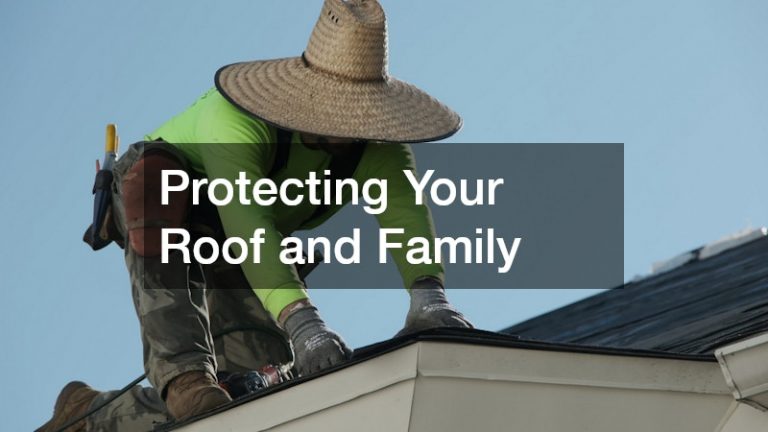
Finally, homeowners should always prioritize safety when caring for their roofs. Walking on a roof without proper equipment or experience can be dangerous. Steep angles, slippery surfaces, and hidden weak spots pose serious risks. When in doubt, leave inspections and repairs to licensed professionals who are trained to work safely and efficiently.
Protecting your roof means protecting your family, comfort, and investment. With regular maintenance, early detection, proper ventilation, and timely professional intervention, you can ensure your roof continues to perform its essential function for many years.