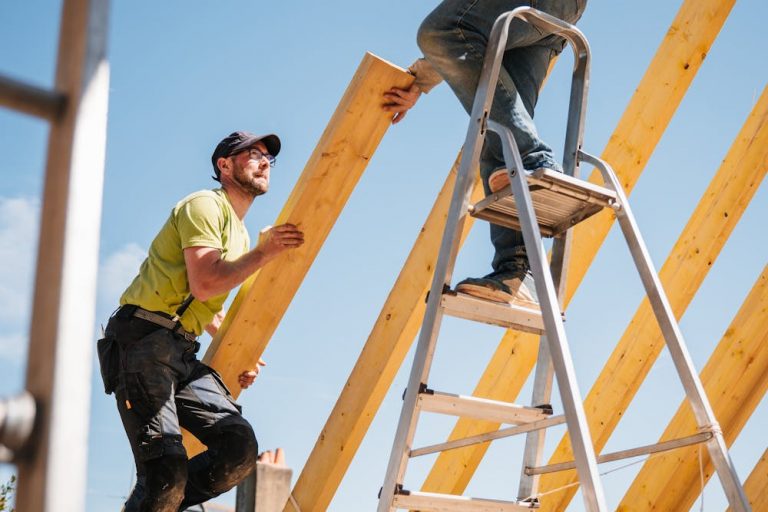
- Hiring a local roofing contractor provides advantages such as faster response times, knowledge of regional weather conditions, and familiarity with building codes.
- Always verify credentials, including licenses, insurance, experience, and references, to ensure professionalism and protection from liability.
- Compare multiple roofing estimates carefully, focusing on materials, labor, warranties, and timeline instead of choosing the lowest price.
- Watch for red flags like high-pressure sales tactics, lack of written contracts, and requests for large upfront payments.
- Reading reviews and contacting references helps confirm a contractor’s reliability, workmanship quality, and customer service.
- A detailed roofing contract and warranty protect your investment by clearly outlining project scope, payment terms, and coverage.
Your roof is one of the most important parts of your home, protecting your family, belongings, and property value. Whether you need repairs, replacement, or installation, hiring the right roofing contractor is essential to ensure quality workmanship and long-term durability. However, with numerous local roofing companies competing for your attention, selecting a trustworthy professional can feel overwhelming.
This guide provides practical, local hiring tips to help homeowners confidently choose a roofing contractor near them. From researching contractors to reviewing contracts and understanding pricing, this article breaks down each step into actionable insights.
By following these strategies, you can avoid scams, prevent costly mistakes, and secure reliable roofing services tailored to your needs.
Why Hiring a Local Roofing Contractor Matters
Hiring a local roofing contractor offers advantages that go beyond convenience. Local professionals understand regional weather patterns, building codes, and material requirements, allowing them to deliver solutions tailored to your environment. This localized expertise can significantly improve roof durability and performance.
Additionally, local contractors rely heavily on reputation within their community. Because their business depends on word-of-mouth and reviews, they are more likely to provide reliable service and customer support. If issues arise after the project, a nearby contractor is also easier to contact for follow-up work or warranty claims.
Key benefits of local contractors
- Familiarity with local building codes and permit requirements
- Faster response time for emergencies and repairs
- Strong community reputation and accountability
- Better knowledge of region-specific roofing materials
How to Hire a Roofing Contractor Near You: Step-by-Step Guide
Finding the right roofing professional requires more than a quick online search. A structured approach ensures you evaluate contractors thoroughly and avoid hiring based solely on price. Taking time to research and compare multiple options will help you identify qualified professionals who can meet your expectations.
This step-by-step guide outlines the essential process homeowners should follow when hiring a roofing contractor locally. From identifying needs to signing a contract, each stage plays a vital role in securing quality results. By understanding the hiring process, you can make confident decisions and minimize risks throughout your roofing project.
Step 1: Define your roofing needs
Before contacting contractors, determine:
- Whether you need repair, replacement, or installation
- Roof material preferences
- Budget expectations
- Project timeline
Step 2: Search for local contractors
Use:
- Online directories
- Community recommendations
- Neighborhood social groups
- Local business listings
Step 3: Shortlist qualified candidates
Evaluate:
- Reviews and ratings
- Years of experience
- Portfolio of previous work
- Professional certifications
What Qualifications Should a Roofing Contractor Have?

Selecting a qualified roofing contractor requires verifying credentials and industry expertise. Proper licensing and insurance demonstrate professionalism and protect homeowners from liability during the project. Without these safeguards, you risk financial loss and legal complications if accidents occur on your property.
Beyond credentials, experience, and specialized training indicate the contractor’s ability to handle complex roofing challenges. A reputable professional should also be knowledgeable about various roofing materials and installation techniques. Checking qualifications helps ensure your contractor can deliver durable and high-quality results.
Essential qualifications to check
- Valid business license
- Liability insurance and workers’ compensation
- Manufacturer certifications
- Proven project experience
- Positive customer reviews
Questions to ask about qualifications
- Are you licensed and insured?
- How many years have you been in business locally?
- Can you provide references?
- Do you specialize in my roof type?
Where to Find Reliable Local Roofing Contractors
Finding reliable contractors involves combining online research with offline recommendations. While digital platforms provide convenience and access to reviews, personal referrals often offer deeper insight into workmanship and customer service. A balanced approach increases your chances of discovering trustworthy professionals.
Community-based sources such as neighbors, friends, and local hardware stores can provide valuable recommendations. Meanwhile, online platforms allow you to compare ratings, view portfolios, and verify contractor credentials. Using multiple sources ensures a well-rounded evaluation and reduces hiring risks.
Best places to search
- Local business directories
- Community forums and neighborhood groups
- Social media recommendations
- Home improvement marketplaces
- Referrals from friends and family
How to Compare Roofing Estimates Effectively
Roofing estimates can vary widely, making comparison essential before hiring a contractor. Evaluating estimates carefully helps you understand pricing structures and avoid hidden costs. The cheapest bid is not always the best option, as low pricing may indicate inferior materials or rushed workmanship.
A detailed estimate should outline labor costs, materials, project timeline, warranties, and cleanup responsibilities. Transparent estimates reflect professionalism and reduce misunderstandings during the project. By comparing multiple proposals, homeowners can identify fair pricing and better assess contractor reliability.
What a roofing estimate should include
- Material specifications
- Labor and installation costs
- Timeline and completion date
- Warranty details
- Cleanup and disposal plans
Questions to Ask Before Hiring a Roofing Contractor
Asking the right questions helps homeowners assess professionalism, transparency, and expertise. Contractors who provide clear answers demonstrate confidence and credibility. On the other hand, vague responses or reluctance to share information may indicate potential red flags.
Preparing a list of questions ensures you gather essential details before signing a contract. These questions should cover experience, project management, communication, and warranties. Thorough discussions can prevent misunderstandings and improve overall project satisfaction.
Essential questions
- Who will supervise the project on-site?
- How will unexpected issues be handled?
- What safety measures are in place?
- How do you manage weather delays?
- What warranty coverage is offered?
Red Flags to Watch Out for When Hiring Locally
While many roofing contractors are reliable, some may engage in questionable practices. Recognizing warning signs early can help homeowners avoid scams, poor workmanship, and financial loss. Being cautious during the hiring process is critical to protecting your investment.
Common red flags include high-pressure sales tactics, lack of documentation, unusually low pricing, and requests for large upfront payments. Contractors unwilling to provide written estimates or references should also raise concerns. Identifying these warning signs allows homeowners to make safer hiring decisions.
Common red flags
- No license or insurance
- Door-to-door solicitation after storms
- Demands for full payment upfront
- Lack of a written contract
- Poor communication or unprofessional behavior
Understanding Roofing Contracts and Warranties
A roofing contract protects both homeowners and contractors by outlining expectations, responsibilities, and project details. Carefully reviewing the contract ensures transparency and prevents disputes. A well-written agreement should clearly specify costs, timelines, materials, and warranty terms.
Warranties also play a vital role in protecting your investment. There are typically two types: manufacturer warranties covering materials and workmanship warranties covering installation quality. Understanding warranty coverage helps homeowners plan for long-term maintenance and potential repairs.
What should be in a roofing contract
- Project scope and timeline
- Payment schedule
- Material specifications
- Warranty details
- Cleanup and disposal responsibilities
How Reviews and References Help You Choose a Contractor
Customer reviews and references provide insight into a contractor’s reliability, professionalism, and work quality. Reading feedback from previous clients can reveal strengths and potential concerns that may not be apparent during initial consultations. Reviews often highlight communication, punctuality, and post-project support.
Requesting references allows homeowners to speak directly with past customers, gaining a deeper understanding of their experiences. This step can confirm whether the contractor consistently delivers satisfactory results. Combining reviews with references strengthens your decision-making process.
Tips for evaluating reviews
- Look for consistent positive feedback
- Pay attention to responses to negative reviews
- Check multiple platforms for balanced insight
- Verify the authenticity of testimonials
Tips for Negotiating Roofing Costs Without Sacrificing Quality

Negotiating roofing costs requires balancing affordability with quality. While homeowners naturally seek competitive pricing, choosing the lowest bid may lead to substandard materials or workmanship. Effective negotiation focuses on value rather than simply reducing costs.
Discussing material alternatives, project timelines, and payment schedules can help manage expenses without compromising results. Transparent communication with contractors encourages flexibility and mutual understanding. By prioritizing quality and durability, homeowners can achieve cost-effective roofing solutions.
Cost-saving strategies
- Compare multiple estimates
- Consider off-season scheduling
- Ask about material options
- Negotiate payment terms
- Explore warranty coverage
Preparing Your Home Before Roofing Work Begins
Preparing your home before roofing work ensures safety, efficiency, and minimal disruption. Roofing projects can involve noise, debris, and heavy equipment, making preparation essential for protecting property and household members. Simple steps can significantly reduce inconvenience during construction.
Homeowners should secure outdoor furniture, vehicles, and landscaping while informing neighbors about the project timeline. Indoor preparations, such as protecting fragile items from vibration, also help prevent damage. Proper preparation supports a smoother workflow and enhances overall project success.
Preparation checklist
- Clear the driveway and yard
- Protect attic belongings
- Remove fragile wall decorations
- Inform neighbors
- Secure pets and children
Final Thoughts
Hiring a roofing contractor near you requires careful research, evaluation, and communication. By prioritizing local expertise, verifying credentials, and comparing estimates, homeowners can secure reliable roofing services that deliver long-term value. Understanding contracts, warranties, and red flags further strengthens your decision-making process.
A well-chosen roofing contractor not only improves your home’s protection but also enhances property value and peace of mind. Taking a structured approach to hiring ensures quality workmanship and reduces the risk of costly mistakes. With these local hiring tips, homeowners can confidently navigate the roofing contractor selection process and achieve successful project outcomes.